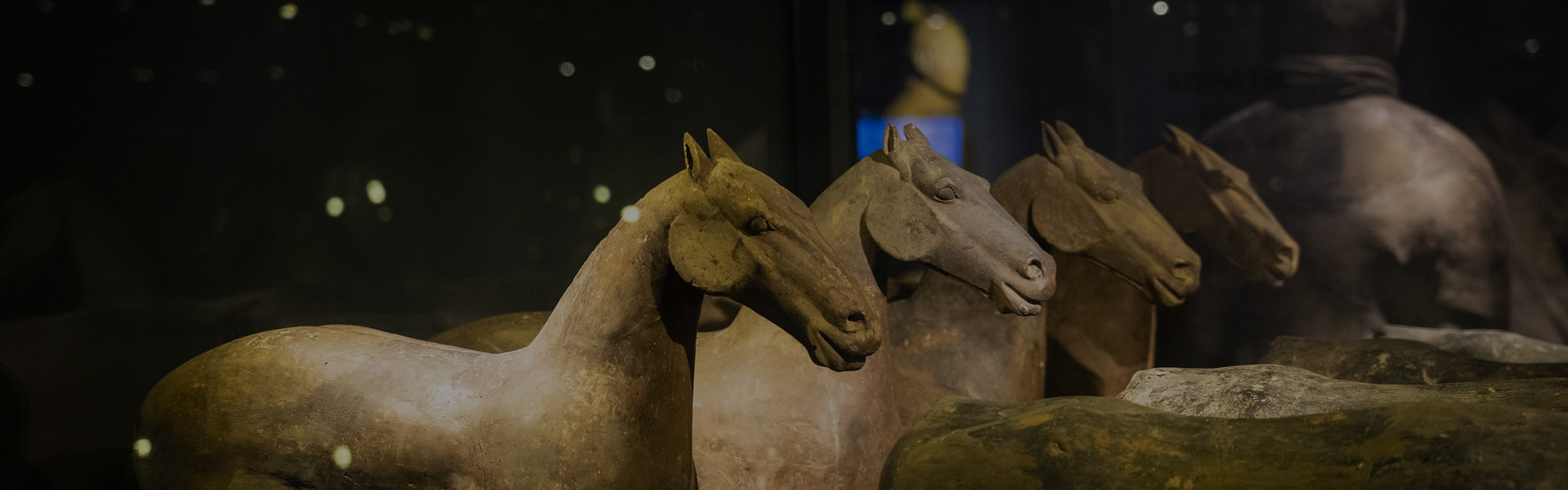
Cultural relics carry the splendid civilization, inherit the history and culture, and maintain the national spirit, which is the precious heritage left to us by our ancestors and the profound nourishment for strengthening the construction of socialist spiritual civilization. The results of the third national cultural relics census show that there are more than 766,700 immovable cultural relics in China. These cultural relics are widely distributed, spanned a long time, and are rich and diverse, constituting a magnificent picture of Chinese civilization.
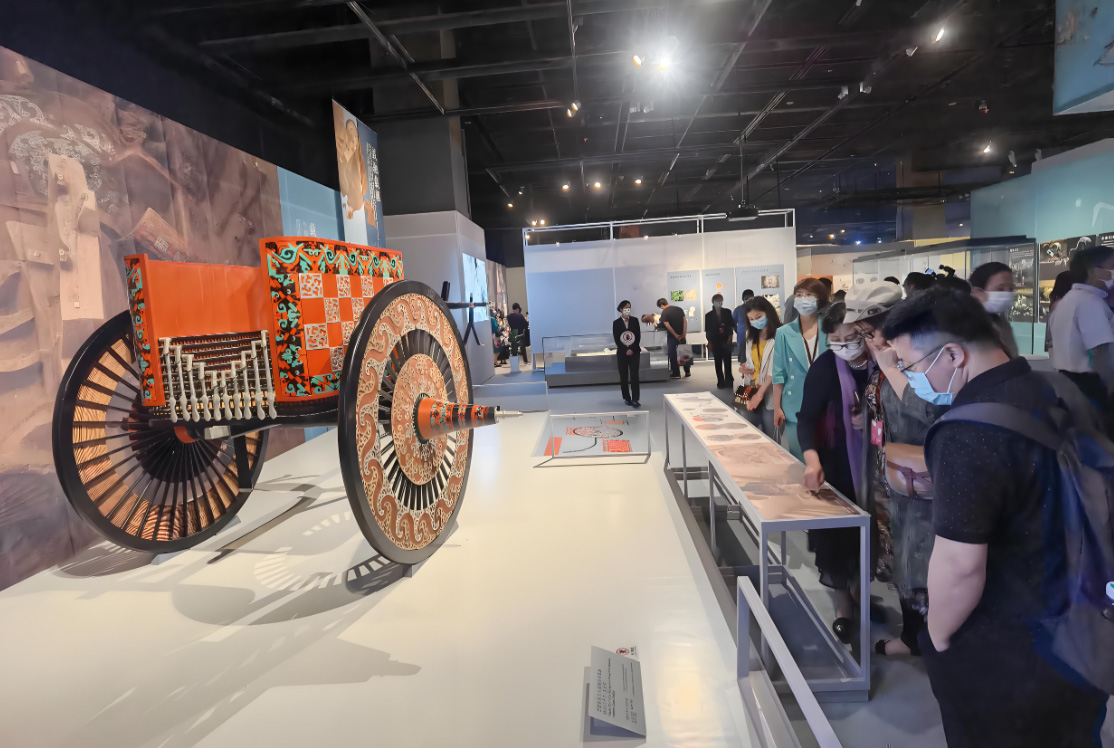
However, global warming is posing an unprecedented challenge to these cultural treasures that have endured centuries of wind and rain. In recent years, from accurate forecasting to meteorological disaster risk assessment, to the formulation of scientific and reasonable defense planning, meteorological and cultural relics protection departments have worked together to build a "protective wall" for the safety of cultural relics.
The frequent occurrence of extreme weather has exacerbated the natural "aging" of cultural relics - excessive precipitation will not only cause direct impact damage to cultural relics, but also cause geological disasters such as landslides and soil collapses, which may also indirectly cause devastating blows to cultural relics. The "violent" water is also reflected in the sharp rise of rivers and lakes after heavy precipitation and the huge waves brought by typhoons, which in turn damage cultural relics and monuments near water bodies.
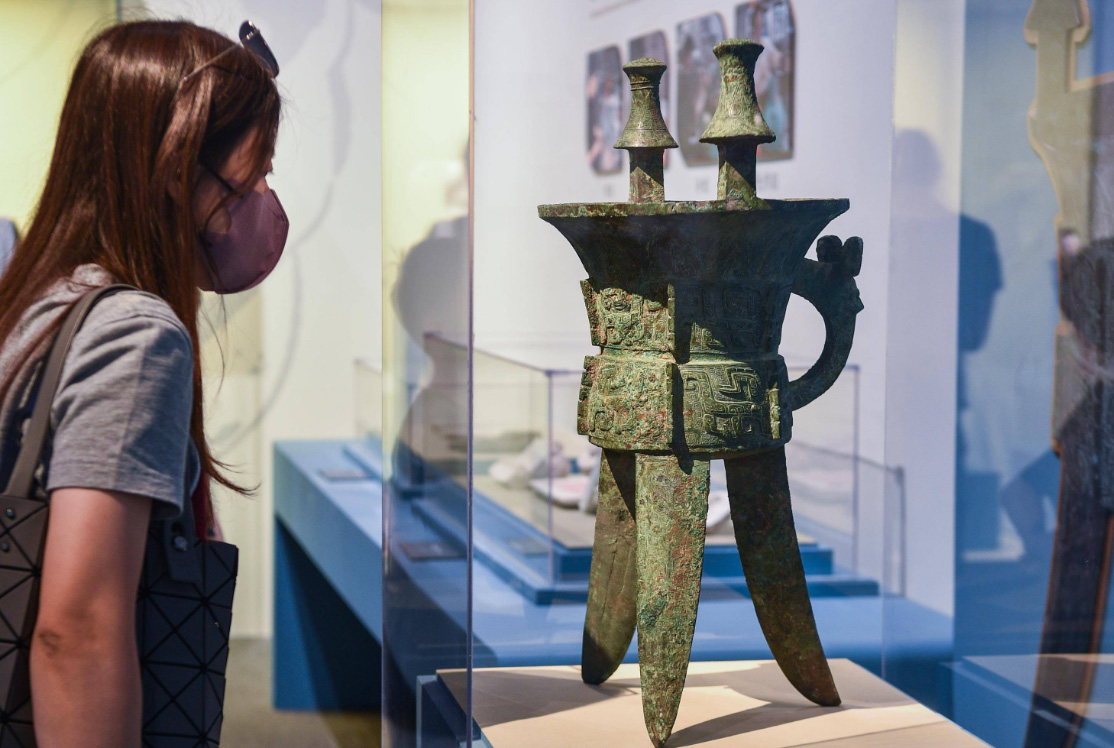
From August 24th to 26th, Wutai County, Xinzhou City, Shanxi Province, there was heavy to heavy rain, and after the heavy rain, Foguang Temple was safe. This is due to the efficient linkage between the meteorological and cultural relics protection departments. An Hai, vice president of the Shanxi Provincial Institute for the Protection of Ancient Buildings and Painted Sculptures, said: "Once heavy precipitation or severe disastrous weather is forecast in the Xinzhou area, the meteorological department will immediately inform us of the information to the cultural relics protection department." ”
Fan Yongqiang, the manager of Foguang Temple, said that since the beginning of this year, Foguang Temple has been closed five times according to meteorological forecast and early warning information and defense suggestions, "according to the meteorological forecast and early warning information, the temple has dredged drainage facilities in advance, strengthened doors and windows, and put safety measures in place."
In the center of the ancient capital of Beijing, the north-south axis is like a ruler, marking the progress of China's development and demonstrating the wisdom and temperament of the Chinese.
Wang Ji, director of the Beijing Climate Center, pointed out that there are many meteorological factors that affect the protection of cultural relics and ancient buildings along the central axis, such as heavy rain, thunder, hail, low temperature and freezing. "Among them, heavy rains and floods are among the most frequent and serious natural disasters in Beijing, and the threat to ancient buildings is particularly prominent." In recent years, the meteorological department has continued to "add bricks and tiles" to the protection of ancient buildings in Beijing. In the process of urban planning and construction management in Beijing, relying on the construction concept of sponge city and resilient city, 5G and artificial intelligence technology are used to dynamically monitor and forecast risk weather in real time, putting on a "golden silk soft armor" for ancient buildings.